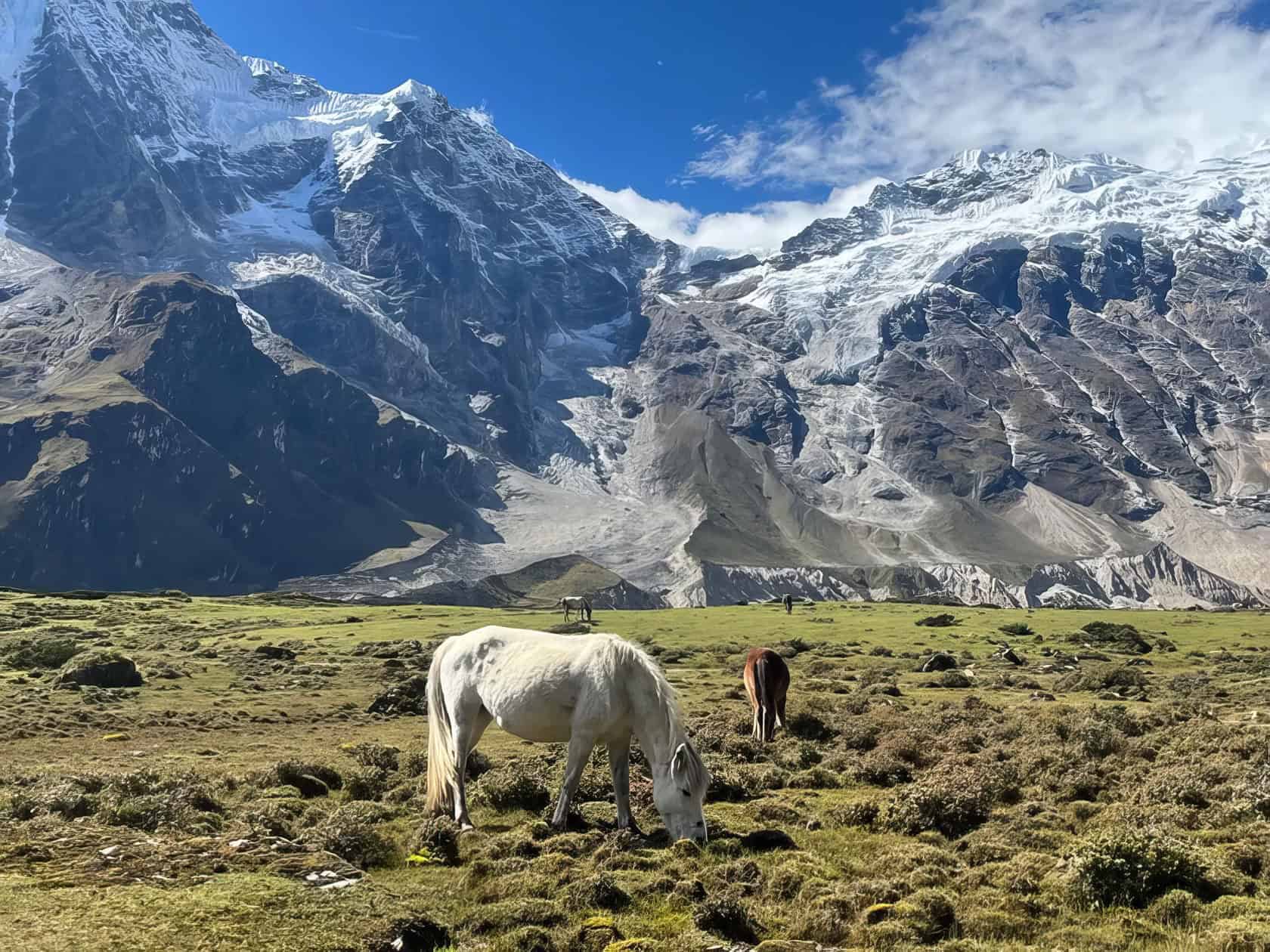
Ever wondered, “How difficult is the Manaslu trek, really?” and if you’ve got what it takes to handle it?
You’re not the only one. Staring at the stats can be intimidating. The Manaslu Circuit covers about 177 kilometers (110 miles) over two weeks, and you’ll be dealing with the real risk of high altitude sickness once you climb above 2,500 meters.
But here’s the thing, it’s less about being a super-athlete and more about being smart with your preparation.
I’m going to walk you through the real story, with practical tips on fitness, what to pack, and what the trail is actually like. Let’s figure out if this incredible Himalayan adventure is the right fit for you.
Key Takeaways
The Manaslu Circuit Trek is a serious undertaking, spanning 177 kilometers over 14 to 18 days. You’ll be hiking 6 to 8 hours daily, ascending from Soti Khola (700 m) to the trek’s highest point, Larkya La Pass (5,160 m).
Altitude sickness is a major challenge. To combat it, your itinerary must include at least two acclimatization days, typically in Samagaun (3,530 m) and Samdo (3,875 m). If you experience symptoms like a persistent headache or nausea, you have to descend immediately.
The terrain is rugged, featuring steep climbs, rocky paths, and landslide-prone areas, especially during the monsoon (June-August). Accommodation is in basic teahouses, where amenities like hot showers and Wi-Fi are scarce and expensive at higher altitudes.
As of 2023, Nepal has a mandatory guide rule for foreign trekkers on routes like Manaslu, so you can’t go it alone. You’ll need several permits, including the Manaslu Restricted Area Permit, which costs $100 for the first week during the peak autumn season.
Unlike the crowded Everest Base Camp or parts of the Annapurna Circuit, Manaslu offers more solitude but on tougher trails. Because of its remoteness, travel insurance that specifically covers high-altitude trekking and helicopter evacuation up to 6,000 meters is non-negotiable.
Table of Contents
Factors Affecting the Difficulty of the Manaslu Trek
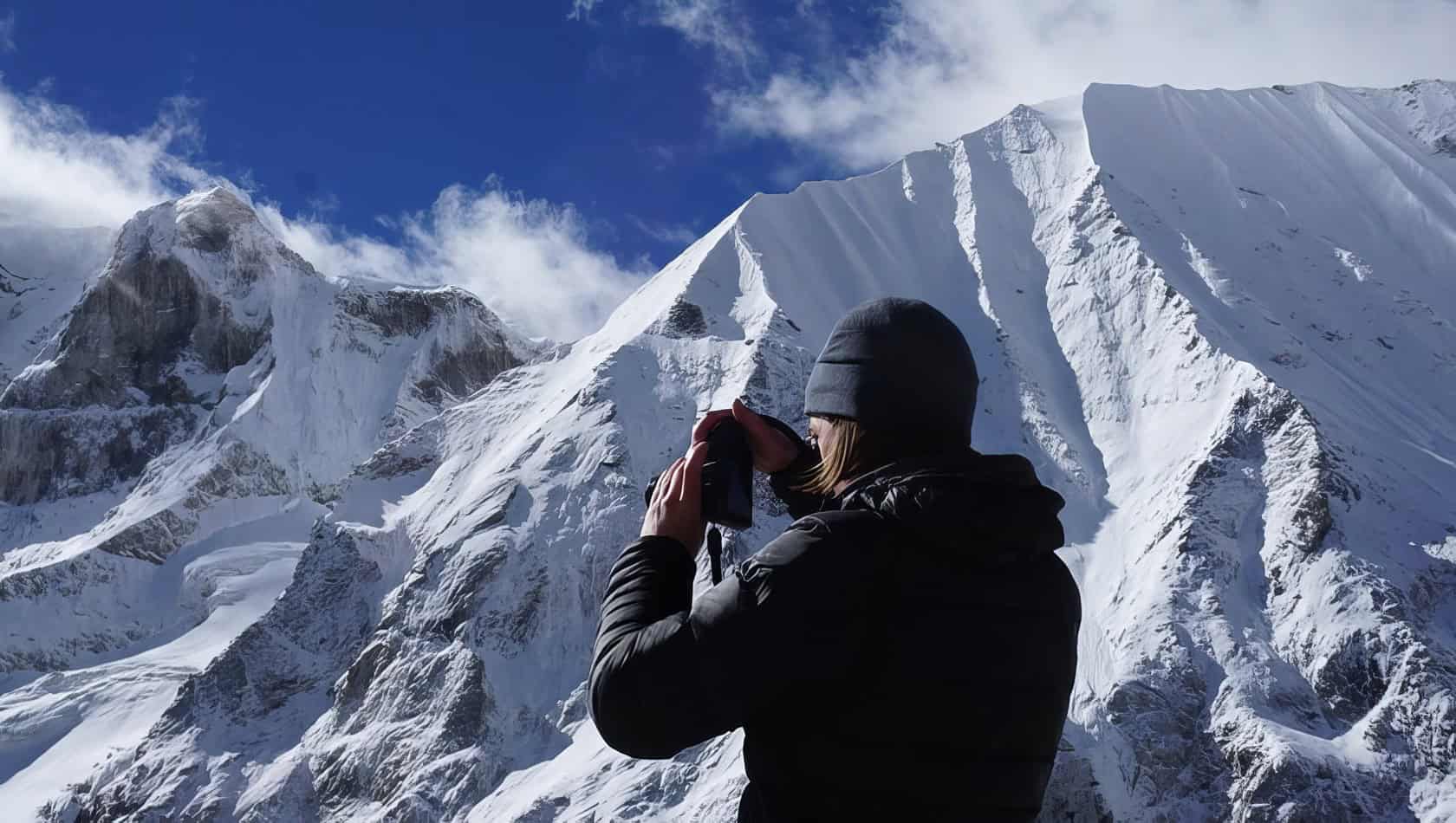
Every step on the Manaslu trek asks you to adapt and push your limits. So, let’s break down exactly what you’re up against. This path is no casual stroll through the woods.
Distance and Daily Walking Hours
The Manaslu Circuit trek is a beast, stretching over 177 kilometers (about 110 miles). Most guys complete it in 14 to 18 days, which gives you enough time to acclimatize without rushing.
On an average day, you’ll be walking for 6 to 8 hours, covering between 10 and 18 kilometers. But it’s the elevation gain that really gets you. You start in the lush, low-lying village of Soti Khola at 700 meters and climb all the way up to the windswept Larkya La Pass, a breathtaking 5,160 meters high.
Your daypack should be your best friend, not your enemy. Keep it light, around 5 to 7 kilograms, with just the essentials: water, snacks, warm layers, and maybe a water filter like the Sawyer Squeeze to save money and plastic. Steady pacing is the name of the game here. For a detailed look at what each day holds, checking out a well-planned Manaslu Circuit trek itinerary can give you a clear picture.
Altitude and Risks of Altitude Sickness
After you’ve put in the miles, another challenge quietly creeps in: the altitude. The Manaslu trek keeps you above 3,000 meters for about a week, and that’s where altitude sickness, or Acute Mountain Sickness (AMS), becomes a serious risk.
Most trekkers start to feel the thinner air in villages like Samagaun (3,530 m) or Samdo (3,875 m). These aren’t just stops; they are crucial acclimatization points built into your schedule for a reason. Ignoring them is a rookie mistake.
According to a 2025 report on trekking safety, the Annapurna region, which neighbors Manaslu, saw 18 tourist deaths from altitude sickness in the last fiscal year, highlighting just how critical slow, gradual acclimatization is.
Larkya La Pass sits at a staggering 5,160 meters. The golden rule is to ascend no more than 300-500 meters per day once you’re above 3,000 meters. Pushing too hard can lead to nasty symptoms like headaches, nausea, and extreme fatigue. In severe cases, it can escalate to life-threatening conditions like High Altitude Pulmonary Edema (HAPE) or High Altitude Cerebral Edema (HACE).
Altitude doesn’t care how fit you are. Listen to your body, stay hydrated, and never be ashamed to turn back or take an extra rest day.
Terrain and Trail Conditions
As the oxygen thins out, the ground under your boots gets a lot more technical. The Manaslu Circuit throws rocky paths, uneven stone staircases, and narrow ridges at you daily. Some sections are just wide enough for single-file hiking, making passing a mule train an interesting dance.
You’ll cross numerous suspension bridges, some swaying high above roaring rivers, which definitely tests your nerves. During the monsoon season (June to August), the trail becomes a whole different animal. Landslides are a real danger, and paths can turn into slippery, muddy trenches.
River crossings that are simple in autumn can become raging torrents, forcing teams to turn back. This trek constantly reminds you to respect the terrain. A pair of high-quality, broken-in trekking boots isn’t a suggestion, it’s a necessity.
Weather and Seasonal Challenges
Choosing the right season for your Manaslu trek is one of the most important decisions you’ll make. The weather in the Himalayas is notoriously unpredictable and directly impacts the trek’s difficulty.
Here’s a quick breakdown of what to expect:
| Season | Months | Pros | Cons | Larkya La Pass Temp (°C) |
|---|---|---|---|---|
| Autumn (Peak Season) | Sept – Nov | Stable weather, clear skies, epic views. | Crowded trails, teahouses can be full. | -5°C to 5°C |
| Spring | Mar – May | Warmer temps, rhododendron blooms, fewer crowds than autumn. | Hazy skies at lower altitudes, chance of rain. | -10°C to 0°C |
| Winter | Dec – Feb | Very few trekkers, crystal clear views when sunny. | Extreme cold, heavy snow, Larkya La Pass often closed. | -13°C to -5°C |
| Monsoon | Jun – Aug | Lush green scenery, quiet trails. | Heavy rain, leeches, landslides, obscured views. | N/A (Generally inaccessible) |
Autumn is the most popular for a reason, offering the best chance for clear mountain views. However, spring is a fantastic alternative with beautiful blooming flowers. Winter and monsoon are for experienced, well-equipped trekkers who understand the significant risks involved.
Remoteness and Limited Accessibility
Unlike the well-trodden paths to Everest Base Camp, the Manaslu Circuit feels genuinely remote. The trek starts from Soti Khola, which you’ll reach after a long, bumpy jeep ride from Kathmandu. There are no airports here.
Accommodation is in basic teahouses. Think simple wooden beds, a shared bathroom, and often no heating in the rooms. The dining hall with its stove becomes the social hub in the evenings. As you climb higher, these comforts become even more basic.
“At Dharmasala (4,460m), the stop before the pass, there are only two guesthouses: Jambala Guest House and Larkey Guest House.” This scarcity means you need to book ahead, especially in peak season.
Forget about reliable Wi-Fi. While some teahouses in lower villages like Samagaun offer it, you can expect to pay around $2-$5 for a slow connection. Food options also become more limited and expensive with altitude, as everything is carried up by porters or mules. A bottle of water that costs $1 in Soti Khola can cost up to $4 in Dharmasala.
Physical and Mental Fitness Requirements
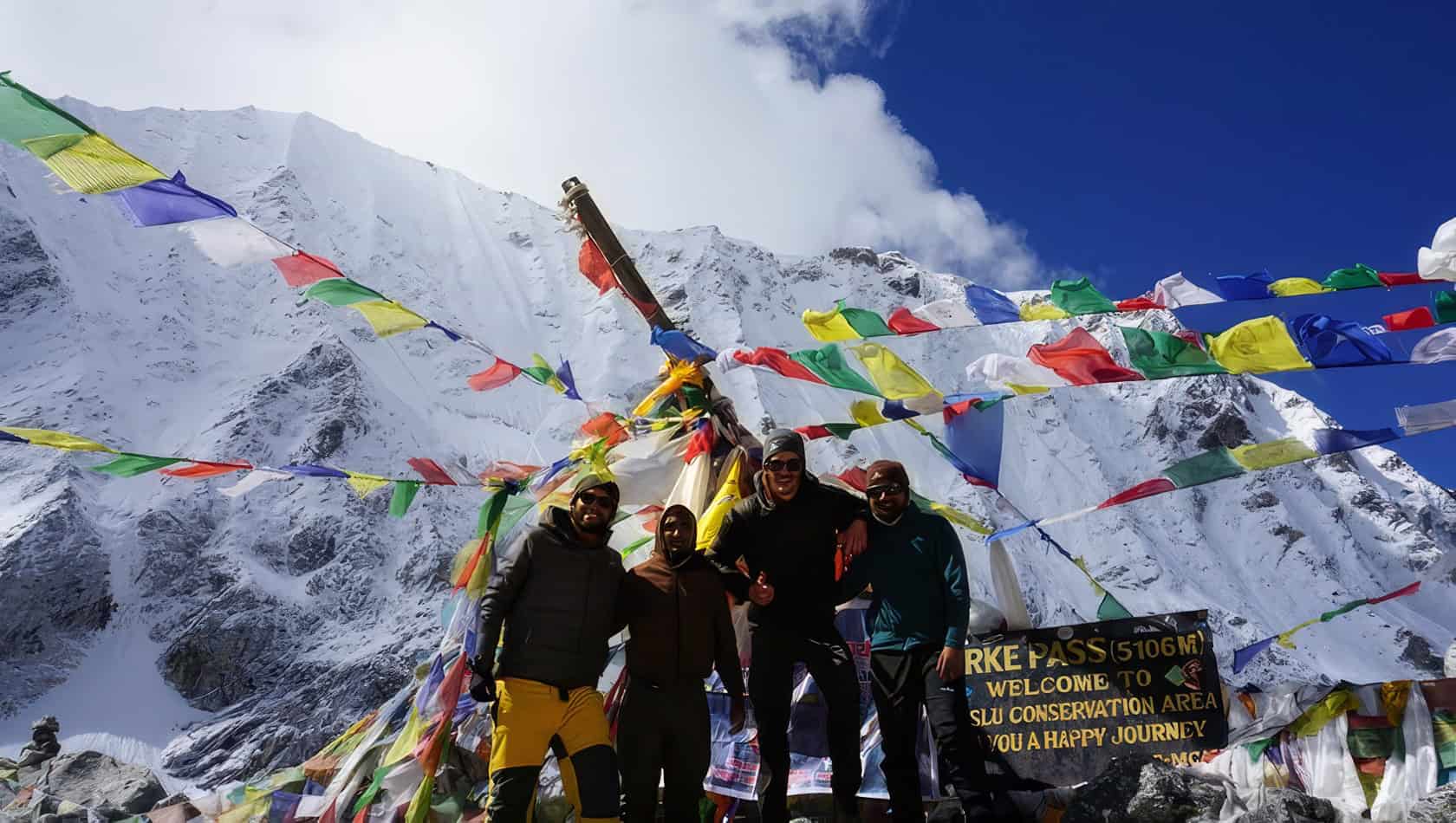
You need strong legs and an even stronger mind for the Manaslu trek. This isn’t just a walk; it’s a test of endurance, strength, and pure grit.
Strength and Stamina
Your legs are going to be your engine on this trek. With daily hikes of 6-8 hours across steep and rocky terrain, having strong quadriceps, calves, and glutes is non-negotiable. I remember one brutal uphill stretch before Larkya La Pass, and the only thing getting me through was months of doing squats and lunges back home.
Focus your training on:
- Leg Strength: Squats, lunges, and step-ups are your best friends. Try adding weight to simulate carrying a pack.
- Core Stability: Planks, Russian twists, and leg raises will help you maintain balance on uneven trails and support the weight of your daypack.
- Upper Body: Push-ups and rows help with overall stability and the effort of using trekking poles.
Even though porters can carry the bulk of your gear (up to 20kg, usually split between two trekkers), you’ll still have a daypack weighing 5-7kg. Don’t underestimate how heavy that feels at 4,000 meters.
Cardiovascular Endurance
While strength gets you up the climbs, it’s your cardiovascular endurance that keeps you going all day. On some days, you’ll gain 800 meters or more in elevation. Your heart and lungs need to be ready for the thin air.
Your training should include consistent cardio sessions, 3-4 times a week for at least two months before your trip. A good mix would be:
- Steady-State Cardio: Jogging, cycling, or swimming for 45-60 minutes to build your aerobic base.
- Interval Training: Short bursts of high intensity, like sprinting up a hill for 1 minute and then walking down to recover, repeated 5-8 times.
- Long Hikes: Most importantly, get out on the trail. Once a week, do a long hike, gradually increasing the duration and adding weight to your pack until you can comfortably hike for 5-6 hours with a 10kg pack.
Mental Preparation for Challenging Conditions
The physical challenge is only half the battle. Your mental game has to be just as strong. The trek will test your patience and resilience long before you even see Mount Manaslu. From chaotic jeep rides to basic accommodation and the ever-present cold, you need to be adaptable.
Isolation can be a real factor, especially at night in high-altitude villages where there’s no cell service and the wind is howling outside. This is where a positive attitude makes all the difference.
The mantra in Nepal is “Bistari, bistari,” which means “slowly, slowly.” Embrace this. Focus on the small victories, like reaching the next teahouse or enjoying a hot bowl of Dal Bhat after a tough day.
Flexibility is key. Trails can be blocked by landslides, your favorite snack might run out, or the weather can force a rest day. Being able to laugh it off and adapt is what separates a successful trek from a miserable one. A good sense of humor, like I shared with my buddy on our last epic trip, is probably the most underrated piece of gear you can bring.
Trekking Experience and Skill Levels
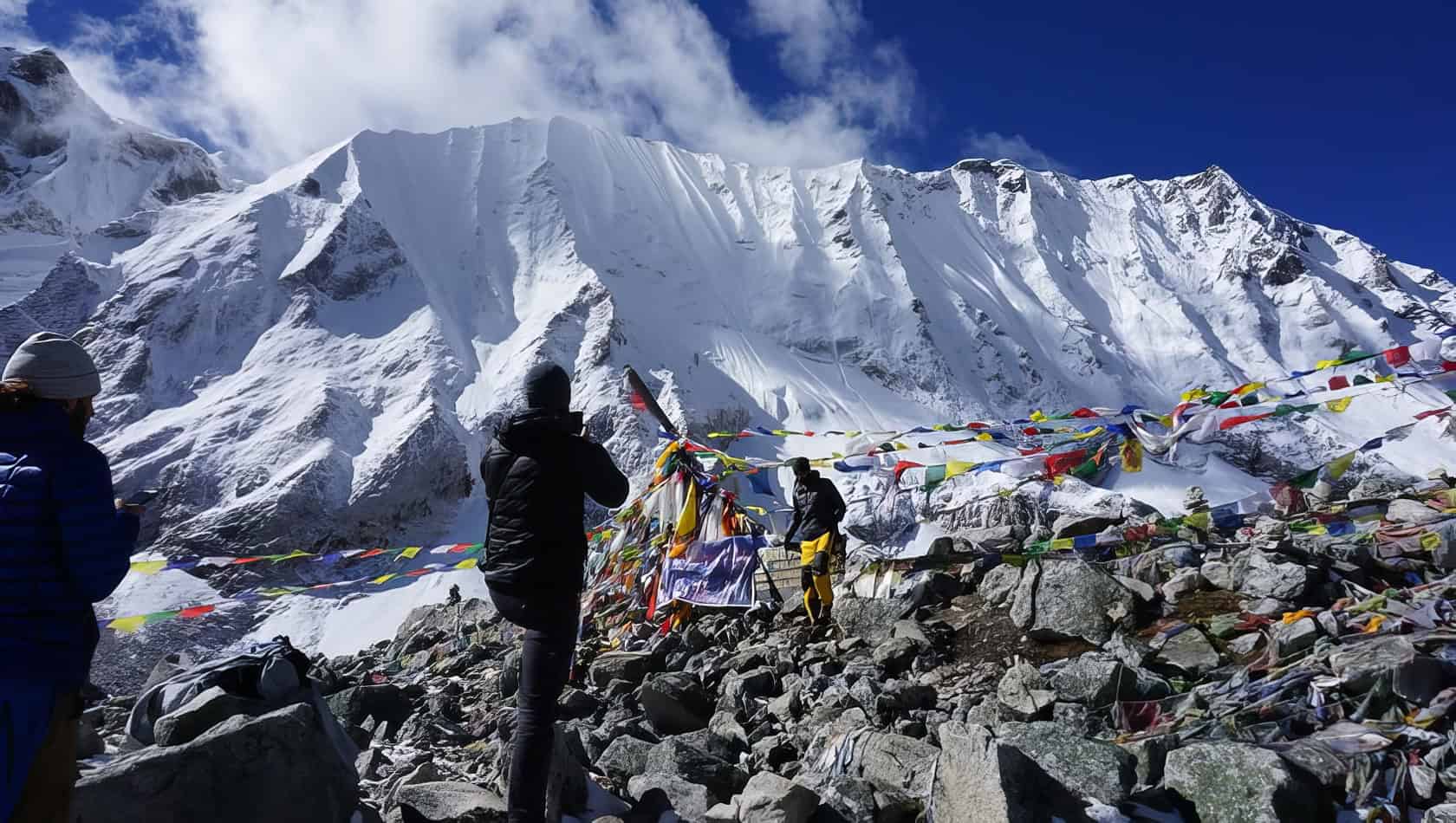
So, do you need to be a seasoned mountaineer to tackle Manaslu? Not necessarily. But your previous experience definitely changes how you should approach it.
Challenges for Beginners
If this is your first big high-altitude trek, Manaslu is a steep learning curve. The biggest shock for most beginners is the altitude. Even if you’re in great shape, the feeling of breathlessness above 3,500 meters is humbling, and the risk of acute mountain sickness (AMS) is very real.
The daily grind of 6-8 hours of walking on rocky, uneven trails can also be tough if you’re not used to it. The key for beginners is preparation. Don’t just show up. Spend a few months doing weekend hikes on varied terrain. If you can, tackle a shorter, easier trek in Nepal first, like Ghorepani Poon Hill, to see how your body handles the conditions.
Remember, a guide is mandatory on this route due to the solo trekking ban. This is a huge advantage for beginners, as a good guide will manage your pacing, watch for signs of AMS, and handle all the logistics.
Considerations for Intermediate Trekkers
If you’ve already done a trek like the Annapurna Circuit or Everest Base Camp, you have a good idea of what to expect. You know the deal with teahouses, Dal Bhat, and the feeling of thin air. For you, the Manaslu Circuit is a step up in terms of remoteness and ruggedness.
The trails are less developed, and the tourist infrastructure is more basic. You won’t find the bakeries and extensive menus of Namche Bazaar here. The main challenge will be the Larkya La Pass at 5,160 meters. It’s a long, tough day that starts before dawn and requires stamina and mental fortitude.
For you, preparation is about fine-tuning. Focus your training on back-to-back long hikes to simulate the fatigue of a multi-day trek. Make sure your gear is dialed in, especially your boots and layering system.
Advice for Experienced Trekkers
For the seasoned trekker, Manaslu offers a fantastic challenge with fewer crowds. You can push the limits a bit more, perhaps by combining the trek with a side trip to the Tsum Valley, a culturally distinct region that requires an additional permit.
You already know the importance of acclimatization, but don’t get complacent. The 500-meter daily ascent rule still applies to you. Your focus should be on efficiency and planning. Make sure you have all five permits sorted in advance through your trekking agency:
- Manaslu Restricted Area Permit
- Manaslu Conservation Area Permit (MCAP)
- Annapurna Conservation Area Permit (ACAP)
- Chumnubri Rural Municipality Permit
- Tsum Valley Permit (if you’re doing the side trip)
And it goes without saying, but your travel insurance must cover helicopter evacuation up to 6,000 meters. On a remote trek like this, it’s your ultimate safety net.
Key Challenges During the Manaslu Trek
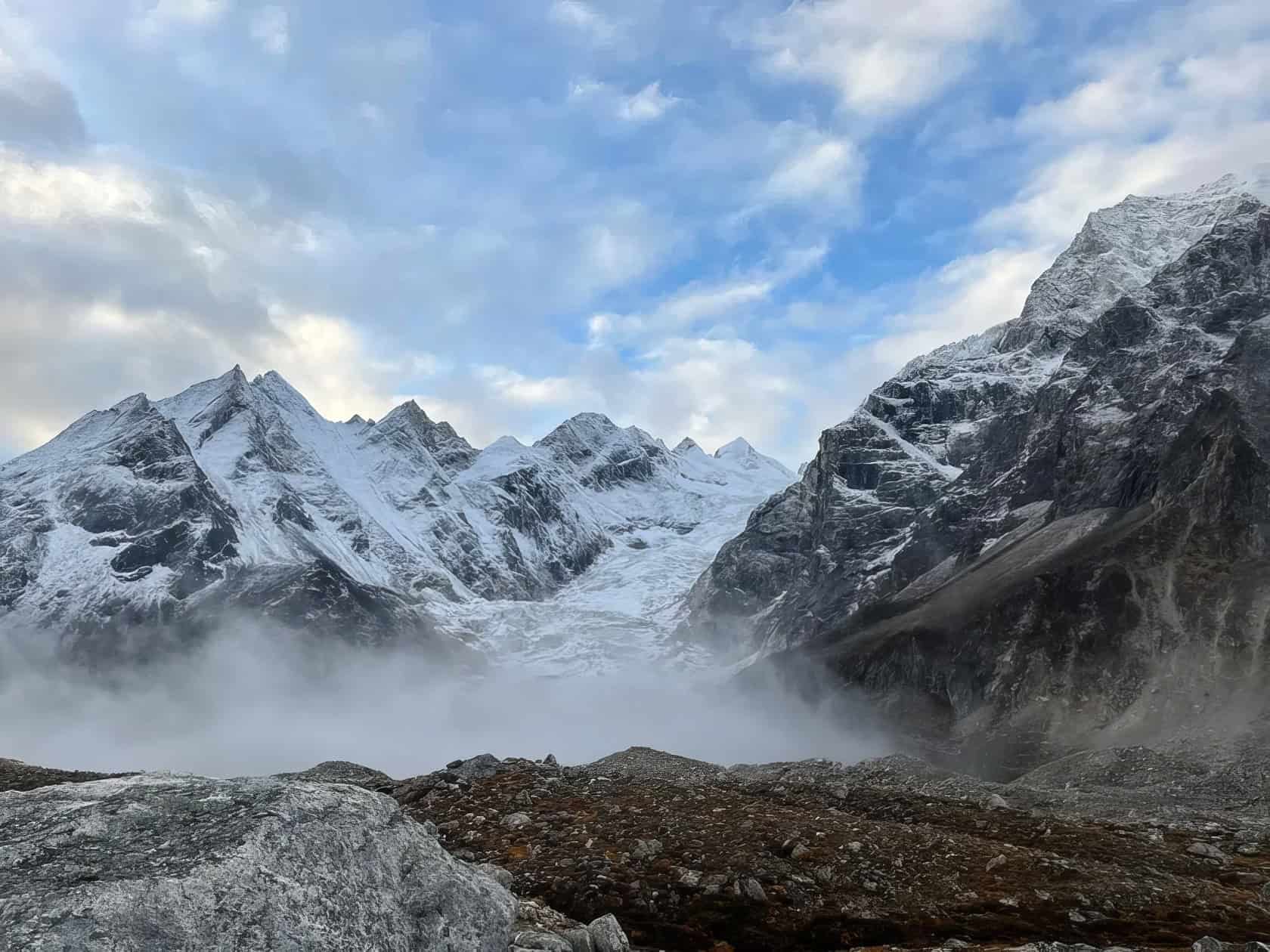
No matter your experience level, the Manaslu trek has a few key hurdles that everyone has to face. These are the make-or-break moments of the journey.
Steep Ascents and Descents
The numbers don’t lie. You’re going from 700 meters to 5,160 meters and back down again. The daily elevation changes are significant, and your legs will feel it. The ascents are a grind that will test your cardio, while the descents, especially the long one after Larkya La Pass, are absolute quad-burners that punish your knees.
This is where trekking poles become essential. They take a significant amount of strain off your joints, especially on the downhills, and provide crucial stability on loose, rocky sections. Many trekkers who’ve done both say the descents on Manaslu feel steeper and more sustained than those on the Everest Base Camp Trek.
Crossing the Larke La Pass
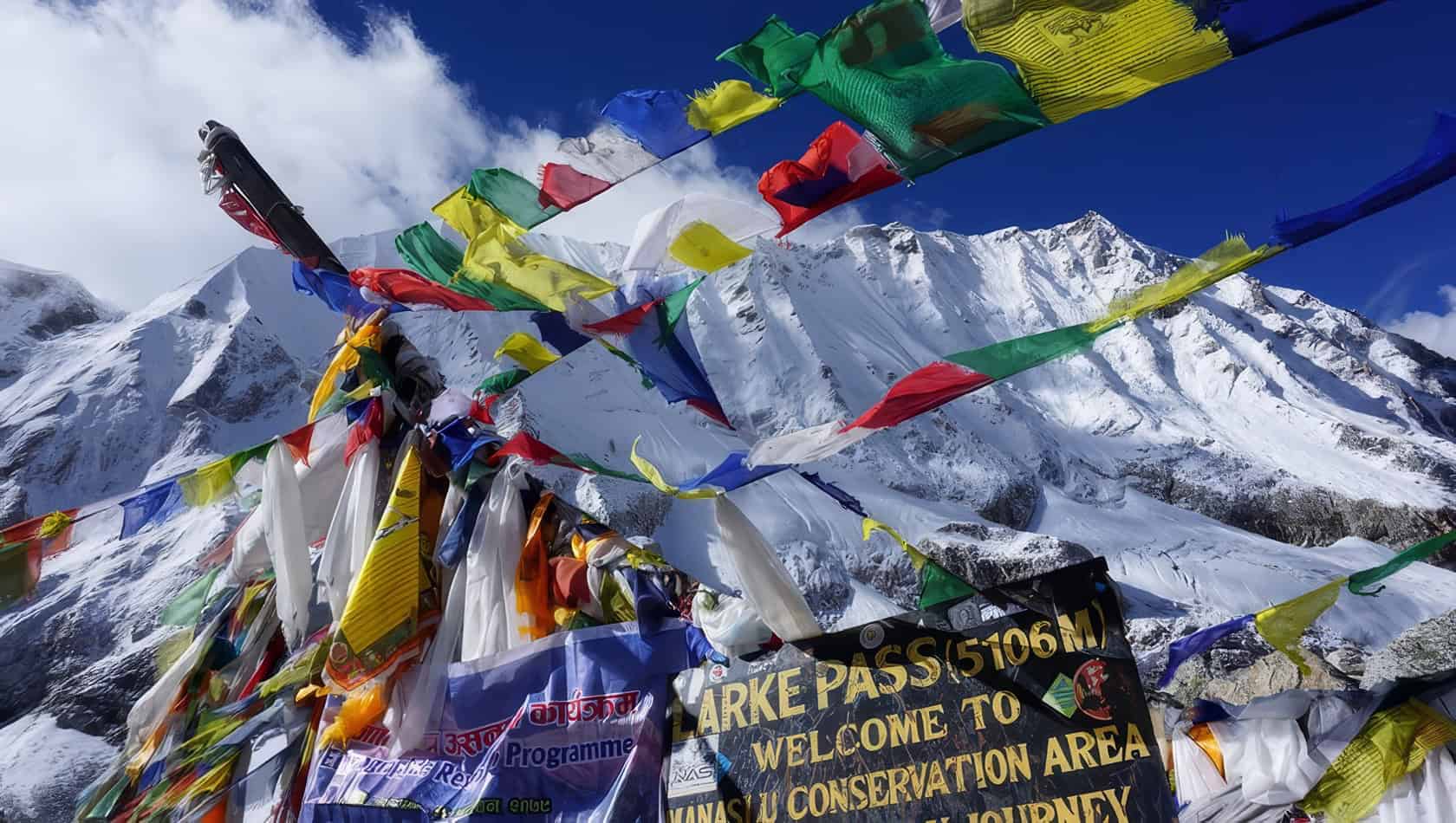
This is the main event. Crossing the Larke La Pass (5,160 m) is the climax of the trek and its single greatest challenge. The day starts around 3 AM from the basic teahouse at Dharmasala (also called Larkya Phedi).
You’ll be hiking for 8-10 hours in the dark and cold, often on snow-covered trails. The thin air makes every step feel like a monumental effort. Your lungs will burn, your legs will feel heavy, and your mental resolve will be tested.
The best months to cross are October and May when the weather is most stable and avalanche risk is lower. Even then, you need to be prepared for extreme cold and high winds.
But the feeling of reaching the prayer-flag-draped summit, with panoramic views of peaks like Himlung Himal and Cheo Himal, is an accomplishment you will never forget. It’s what you came for.
Cold Temperatures at High Altitudes
The cold on the Manaslu trek is a serious factor, especially as you get above 3,000 meters. Teahouses are generally unheated outside of the main dining room, so your room will be frigid at night.
Temperatures can vary drastically. In Samagaun (3,530 m), nighttime temperatures in October might dip to -3°C. But at Larkya Phedi (4,460 m), you can expect it to drop to -10°C or colder. During the pass crossing itself, wind chill can make it feel absolutely brutal.
Your gear is your lifeline here. A high-quality four-season sleeping bag, a good down jacket, and a solid layering system (base layer, fleece mid-layer, and a windproof/waterproof outer shell) are not optional. Many trekkers also bring a sleeping bag liner, like one from Sea to Summit, for an extra warmth boost.
Limited Accommodation and Food Options
Part of Manaslu’s charm is its raw, undeveloped nature. But that also means you need to adjust your expectations for comfort. Accommodation is in family-run teahouses, which are simple and rustic. Most offer twin-sharing rooms with basic beds and a blanket. Toilets are often shared and can be squat-style.
The food menu is dominated by Nepali staples. You’ll eat a lot of Dal Bhat (lentil soup with rice), and for good reason, it’s packed with carbs and protein for energy. You can also find noodles, simple dumplings (Mo:Mo), and potato dishes. As you go higher, the menu shrinks and prices increase significantly.
A Dal Bhat that costs $4 at the start of the trek can be $8-$10 in Dharmasala. Most trekkers stick to vegetarian options at altitude, as meat isn’t always fresh. It’s a smart idea to pack your own high-energy snacks like protein bars and nuts, as the selection in the teahouses is limited and expensive.
Tips to Overcome the Challenges

Alright, you know what you’re up against. Now, let’s talk about how to beat it. Smart preparation is what turns this tough challenge into an incredible achievement.
Adequate Acclimatization Strategies
This is the most important rule of high-altitude trekking: give your body time to adjust. The “Climb High, Sleep Low” strategy is your best friend. This means you can hike up to a higher point during the day, but you must return to a lower altitude to sleep.
Your itinerary should have at least two scheduled acclimatization days. These are usually in the villages of Samagaun (3,530 m) and Samdo (3,875 m). Don’t just sit around on these days. Take a short hike to a viewpoint or monastery to help your body produce more red blood cells.
Hydration is also crucial. Aim to drink three to four liters of water per day. And learn the early signs of AMS: headache, dizziness, and nausea. If they persist, don’t push it. Descend.
Packing the Right Gear and Equipment
Packing smart is about bringing only what you absolutely need. Every extra kilogram feels ten times heavier at altitude. Your essential trekking gear should focus on a solid layering system.
Here’s a quick checklist of the non-negotiables:
- Footwear: Broken-in, waterproof trekking boots with good ankle support.
- Outerwear: A quality waterproof/windproof jacket and a warm down jacket.
- Layers: Thermal base layers (merino wool is great) and a fleece mid-layer.
- Bottoms: Comfortable hiking trousers and waterproof pants.
- Safety: A first-aid kit with essentials like blister pads and altitude sickness medication (like Diamox, after consulting your doctor).
- Accessories: Trekking poles, a warm hat, gloves, sunglasses, and a good headlamp.
Leave the cotton shirts and jeans at home. They absorb moisture and will make you cold and miserable.
Training Before the Trek
Start your physical preparation at least 2-3 months before your trip. You’re not training for a marathon, but you are training for endurance. Your goal is to be able to handle long days on the trail, back-to-back.
A solid training plan involves a mix of cardio and strength training:
- Cardio (3-4 times a week): Running, cycling, or swimming to build your aerobic fitness.
- Strength (2 times a week): Focus on your legs and core with exercises like squats, lunges, and planks.
- Hike (Once a week): This is the most important part. Find some hills and hike with a loaded backpack, gradually increasing the weight and distance.
Don’t forget to train for the downhills. This is where most muscle soreness comes from, so find a long hill and practice walking down it to prepare your quads.
Hiring Guides and Porters
Since solo trekking on the Manaslu Circuit is not allowed, you’ll need to hire a licensed guide through a registered trekking agency. A good guide is more than just a navigator; they are your cultural interpreter, safety manager, and motivator.
Porters are also a fantastic investment. A porter will carry up to 20 kg of your gear (usually split between two people), leaving you with just a light daypack. This saves a huge amount of energy, allowing you to enjoy the scenery instead of just staring at your boots. Plus, hiring guides and porters directly supports the local economy.
Choosing the Best Season for Trekking
As we covered earlier, your choice of season has a massive impact on the trek’s difficulty. For the best balance of stable weather and incredible views, aim for autumn (September to November). The skies are typically clear, and the temperatures are cold but manageable.
Spring (March to May) is the second-best option. You’ll be treated to stunning rhododendron blooms, and the trails are less crowded than in autumn. Just be prepared for some potential haze at lower elevations. Avoid winter unless you are a highly experienced winter trekker, and avoid the monsoon unless you enjoy rain, leeches, and landslides.
Comparing the Manaslu Trek with Other Treks
So how does Manaslu stack up against the other giants of Nepal trekking? Knowing the differences can help you decide if it’s the right challenge for you.
Manaslu vs. Everest Base Camp Trek
The Everest Base Camp (EBC) trek is the most famous trek in the world, and for good reason. But it’s a very different experience from Manaslu.
| Feature | Manaslu Circuit Trek | Everest Base Camp Trek |
|---|---|---|
| Distance | ~177 km | ~130 km |
| Duration | 14-18 days | 12-14 days |
| Max Altitude | Larkya La Pass (5,160 m) | Kala Patthar (5,555 m) |
| Crowds | Fewer trekkers, more remote feel. | Very popular and can be crowded. |
| Accommodation | Basic teahouses. | More developed teahouses, some with better amenities. |
| Difficulty | More rugged terrain, longer days. Physically tougher. | Higher maximum altitude, but more established trail. |
In short, EBC is about trekking to an iconic destination on a well-established route. Manaslu is about the journey itself, offering a more raw and authentic trekking experience with greater physical demands.
Manaslu vs. Annapurna Circuit Trek
The Annapurna Circuit is another classic trek that, in its original form, was quite similar to Manaslu. However, road construction has changed the Annapurna trek significantly.
| Feature | Manaslu Circuit Trek | Annapurna Circuit Trek |
|---|---|---|
| Distance | ~177 km | 160-230 km (variable due to roads) |
| Max Altitude | Larkya La Pass (5,160 m) | Thorong La Pass (5,416 m) |
| Remoteness | Highly remote, restricted area. | Road access on large parts of the trail, less remote feel. |
| Crowds | Fewer trekkers. | More trekkers, especially on shorter sections. |
| Regulations | Mandatory guide and special permits. | Can be trekked independently (though a guide is still recommended). |
If you’re looking for an “off-the-beaten-path” experience that feels like what the Annapurna Circuit was 20 years ago, Manaslu is your answer. It’s tougher and more regulated, but it rewards you with a sense of genuine adventure.
Safety Measures and Preparations

Don’t mess around with safety in the Himalayas. A little preparation goes a long way in ensuring you have a great trip and get home in one piece.
Travel Insurance Coverage
This is absolutely non-negotiable. Your standard travel insurance won’t cut it. You need a policy that specifically covers high-altitude trekking up to 6,000 meters and includes emergency helicopter evacuation.
A helicopter rescue from the Manaslu region can cost anywhere from $3,500 to $5,000, and they won’t even lift off until they have proof of payment. Your insurance is that proof. Companies like World Nomads and SafetyWing are popular choices for trekkers because their policies are designed for these kinds of adventures. Read the fine print carefully before you buy.
Emergency Response Options
Because Manaslu is so remote, you are your own first responder for minor issues. Carry a well-stocked first aid kit with supplies for blisters, cuts, pain relief, and stomach issues. Your guide will also have a kit and is trained in first aid.
For serious emergencies, the only way out is often by helicopter. Your guide will have a satellite phone or radio to contact their agency in Kathmandu to arrange a rescue. It’s also a good idea to carry a personal satellite messenger like a Garmin inReach, which allows you to send an SOS signal and communicate with family back home.
Tips for Preventing Altitude Sickness
We’ve talked about it a lot, but it’s worth repeating. Preventing AMS is the single most important thing you can do for your health and safety. Here are the golden rules:
- Go Slow: Do not ascend more than 500 meters per day once you’re above 3,000m.
- Acclimatize: Take your scheduled rest days in Samagaun and Samdo.
- Hydrate: Drink 3-4 liters of water a day. A local tip is to drink lots of garlic soup, which is believed to help with acclimatization.
- Eat Well: Keep your energy levels up with plenty of carbohydrates.
- Avoid Alcohol: It dehydrates you and can mask the symptoms of AMS.
- Listen to Your Body: If you have a persistent headache or feel unwell, tell your guide and be prepared to descend.
How Will the Difficulty of the Manaslu Trek Evolve in 2025?
Looking ahead to 2025, the core challenges of the Manaslu trek aren’t going to change. The mountains aren’t getting any smaller, and the air at 5,160 meters on the Larke La Pass will still be just as thin.
The rugged terrain and steep climbs will continue to demand a high level of physical fitness and mental grit. The risks of acute mountain sickness (AMS) will always be a factor. However, we might see some small changes in infrastructure. As the trek gains popularity, some teahouses may upgrade their facilities, but don’t expect luxury resorts anytime soon.
The mandatory guide rule will remain firmly in place, ensuring a level of safety and support on the trail. Reputable companies like Himalayan Masters continue to report high success rates for well-prepared trekkers, and that preparation will be just as crucial in 2025. Your best bet for success remains the same: train properly, pack smart gear like sturdy trekking boots, plan your itinerary with enough time to acclimatize, and always have robust travel insurance.
People Also Ask
How hard is the Manaslu Circuit Trek compared to Everest Base Camp or Annapurna Base Camp?
The Manaslu Circuit trek is more demanding than the Everest Base Camp or Annapurna Base Camp treks because of its remote, rugged trails and the challenging Larkya La Pass, which sits at an elevation of over 5,100 meters. The teahouses are more basic, and the paths are less developed, which adds to the physical test but also makes for a more wild and authentic adventure.
What are the main challenges on the Manaslu Circuit Trek?
The biggest challenges on the Manaslu Circuit trek are the high altitude, with the risk of acute mountain sickness (AMS), and the long trekking days that often last 6 to 8 hours on varied terrain. You also need to be prepared for the extreme cold, especially around the Larkya La Pass, and unpredictable weather that can shift quickly in the mountains.
How can I prepare for high altitude on this trek?
To prepare for high-altitude trekking, focus on building your cardiovascular endurance for several months with activities like running, cycling, or swimming, and make sure your final trekking itinerary includes essential acclimatization days.
What gear do I need for trekking in this region?
Beyond well-broken-in trekking boots, essential trekking equipment includes a four-season sleeping bag for cold nights, a reliable water filter or purification tablets, and a quality down jacket. A layered clothing system is crucial, so pack thermal base layers, a fleece mid-layer, and a waterproof and windproof outer shell to handle Mount Manaslu’s changing weather conditions.
Do I need special permits or travel insurance for the Manaslu circuit?
Yes, you need three specific trekking permits: the Manaslu Restricted Area Permit (RAP), the Manaslu Conservation Area Permit (MCAP), and the Annapurna Conservation Area Permit (ACAP), all of which must be arranged by a registered trekking company. Travel insurance is mandatory and must cover emergency helicopter evacuation up to at least 6,000 meters, as this is a strict requirement for trekking in this restricted region.
References
https://nepaltrekkingexperts.com/blog/manaslu-circuit-trek-difficulty (2025-07-27)
https://www.magicalnepal.com/travel-guide/manaslu/altitude-sickness-in-manaslu/ (2025-08-20)
https://nepaltrekkingroutes.com/blog/manaslu-trek-difficulty (2025-10-21)
https://www.himalayanabode.com/manaslu-trek-difficulty-how-challenging-is-the-manaslu-circuit-trek/
https://hillarysteptrek.com/blog/manaslu-circuit-trek-difficulty/ (2024-03-25)
https://www.himalayanrecreation.com/blog/manaslu-circuit-trek-difficulty-level (2025-05-17)
https://nepalguidetreks.com/how-difficult-is-the-manaslu-circuit-trek/
https://www.greenvalleynepaltreks.com/travel-guides/manaslu-circuit-trek-difficulty
https://ammoniteadventure.com/blog/manaslu-circuit-trek-dangers
https://nepalsocialtreks.com/how-difficult-is-the-manaslu-trek-full-guide-for-beginners/ (2025-06-20)
https://himalayan-masters.com/travel-guides/manaslu-circuit-trek-difficulty/
https://www.magicalnepal.com/travel-guide/manaslu/larkya-la-pass/ (2025-08-20)
https://www.thehimalayanodyssey.com/blog/manaslu-circuit-trek-food-and-accommodation (2025-03-18)
https://www.sublimetrails.com/blog/manaslu-trek-difficulty
https://hikingbees.com/blog/manaslu-trek-difficulty/ (2024-07-11)
https://overlandtreknepal.com/blog/how-difficult-is-the-manaslu-circuit-trek
https://www.marveladventure.com/blog/manaslu-trek-preparation (2025-10-28)
https://www.himalayanrecreation.com/blog/manaslu-circuit-trek-preparation
https://www.himalayanst.com/blog/best-season-to-trek-manaslu-circuit
https://ammoniteadventure.com/blog/manaslu-circuit-trekking-vs-everest-base-camp-trek (2025-06-13)
https://www.discoveryworldtrekking.com/blog/mount-everest-base-camp-trek-vs-manaslu-circuit-trek (2025-07-24)
https://www.magicalnepal.com/travel-guide/manaslu/manaslu-vs-annapurna-circuit/
https://www.havenholidaysnepal.com/blogs/challenges-and-safety-protocols-on-manaslu-circuit-trek
https://nepalguidetreks.com/altitude-sickness-on-the-manaslu-trek-and-prevention/
https://www.himalayanrecreation.com/blog/altitude-sickness-on-manalsu-circuit-trek